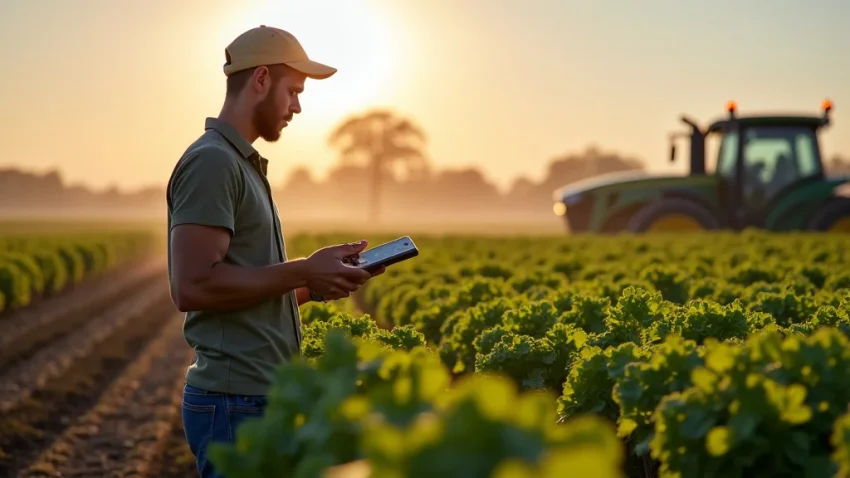
Starting out in agriculture jobs can feel a bit tricky. You might wonder where to begin or what skills are really needed. It’s okay if it seems like a lot at first!
This guide will make it simple. We’ll walk you through everything you need to know, step by step. Get ready to discover the exciting world of farming and food production.
Key Takeaways
- You will learn about the wide variety of roles available in agriculture.
- Discover how to get the right training and education for these jobs.
- Find out where to look for agriculture job openings.
- Understand the skills that employers look for in this field.
- Learn about the rewards and challenges of working in agriculture.
- Gain confidence in starting your career in agriculture.
Exploring Agriculture Jobs
Agriculture is a huge and important field. It’s more than just farming; it’s about growing food, caring for animals, and managing the land. Many people think agriculture jobs are only for those who grew up on farms.
That’s not true! There are many different kinds of jobs, from working directly with crops and livestock to managing businesses and using new technology. This section looks at the many paths you can take.
Direct Farm Work
These are the hands-on jobs that most people imagine. They involve the day-to-day tasks of growing food. You might plant seeds, harvest crops, feed animals, or operate farm machinery.
These roles require physical work and a love for being outdoors.
- Farm Hand or Laborer: This is a common entry-level position. You assist with various farm tasks. This includes planting, weeding, harvesting, and general farm maintenance. The work can be seasonal and depends on the crops being grown.
- Livestock Worker: This job focuses on animal care. You feed, water, and monitor the health of animals like cattle, sheep, or poultry. This involves cleaning barns and assisting with breeding or birthing.
- Equipment Operator: If you like working with machines, this is for you. You operate tractors, combines, and other farm equipment for tasks like plowing, planting, and harvesting.
Many of these jobs are perfect for people starting out. They offer a chance to learn by doing. You gain valuable experience with different farming methods.
Agricultural Science and Technology
This area uses science and new technology to improve farming. It’s about making farms more efficient and sustainable. These jobs often require more education, like a degree in science or engineering.
- Agronomist: Agronomists study soil and crops. They help farmers decide what to plant, how to fertilize, and how to control pests. Their goal is to maximize crop yield and quality.
- Agricultural Engineer: These professionals design and improve farm machinery, irrigation systems, and buildings. They also work on ways to make farming more environmentally friendly.
- Plant Scientist or Breeder: They research and develop new crop varieties. This can be for better taste, higher yield, or resistance to disease and weather.
- Precision Agriculture Specialist: This job uses GPS, sensors, and data to farm more accurately. Farmers can apply water and fertilizer only where needed, saving resources.
These roles are vital for the future of farming. They help feed a growing global population.
Agribusiness and Management
Not all agriculture jobs are in the fields. Many are in businesses that support farming. These roles involve managing, marketing, and selling farm products.
- Farm Manager: This person oversees the entire operation of a farm. They plan crops, manage budgets, hire workers, and ensure everything runs smoothly.
- Agricultural Sales Representative: You would sell products like seeds, fertilizers, or farm equipment to farmers. A good understanding of farming helps you connect with customers.
- Food Production Manager: These roles are in processing plants. They manage the steps from raw farm products to packaged food items.
- Agricultural Economist: They analyze market trends and advise on pricing and production strategies for farm products.
These jobs are crucial for getting food from the farm to your table. They require business and communication skills.
Getting Started in Agriculture
Starting a career in agriculture jobs is easier than you might think. Many roles offer on-the-job training. However, some education and skill-building can open more doors.
This section covers how to prepare yourself.
Education and Training Options
Your path depends on the type of agriculture job you want. For hands-on roles, practical experience is key. For science or management jobs, formal education is usually needed.
- High School Courses: Focus on science, math, and vocational agriculture classes if your school offers them. These build a strong foundation.
- Vocational Schools and Community Colleges: Many offer certificates or associate degrees in agriculture, horticulture, or animal science. These programs are often practical and job-focused.
- University Degrees: Bachelor’s degrees in agronomy, agricultural business, animal science, or agricultural engineering are common for specialized roles.
- Apprenticeships and Internships: These are excellent ways to gain real-world experience. Many farms and agricultural companies offer programs where you can learn from experts while working.
- Online Courses and Workshops: You can find online resources to learn specific skills, like farm management software or sustainable farming practices.
Don’t feel pressured to get a four-year degree right away. Sometimes, starting with a certificate or an entry-level job is the best way to explore your interests.
Developing Key Skills
Employers in agriculture look for a mix of practical and soft skills. Being adaptable and willing to learn is very important.
- Practical Skills:
- Operating Machinery: Knowing how to safely use tractors, plows, and harvesters. This is vital for many farm jobs.
- Animal Husbandry: Understanding how to care for different types of livestock, including feeding, health checks, and basic treatments.
- Crop Management: Knowing about planting cycles, soil health, pest control, and harvesting techniques.
- Basic Maintenance: Ability to perform simple repairs on equipment or farm structures.
- Soft Skills:
- Problem-Solving: Farms face unexpected challenges like weather or equipment failure. You need to think quickly and find solutions.
- Teamwork: Most farms and agricultural businesses involve working with others. Good communication and cooperation are essential.
- Adaptability: The agricultural world changes with seasons, weather, and market demands. Being flexible is a must.
- Work Ethic: Agriculture jobs often require long hours and hard work, especially during planting and harvest seasons.
- Record Keeping: For many roles, especially in management, keeping accurate records of expenses, yields, and animal health is important.
Many of these skills can be learned on the job. Showing a willingness to work hard and learn is often the first step.
Where to Find Agriculture Jobs
Finding agriculture jobs requires knowing where to look. Many positions are advertised locally, but there are also online resources.
- Local Farms and Businesses: Many jobs are found by asking around or checking bulletin boards at local agricultural supply stores.
- Online Job Boards: Websites like AgCareers.com, Indeed, and LinkedIn have many listings. Search specifically for “agriculture jobs” or related terms.
- Agricultural Organizations and Co-ops: Groups like the Farm Bureau or local co-ops often post job openings for their members.
- Government Agencies: State and federal agencies related to agriculture may have job openings, especially for research or extension services.
- Job Fairs: Attend local or regional agricultural job fairs to meet employers and learn about opportunities.
Networking is a big part of finding work in agriculture. Talk to people already in the industry. They can often share leads and advice.
The Rewards and Challenges of Agriculture Jobs
Working in agriculture jobs is deeply rewarding for many. You play a role in feeding the world and preserving the land. However, it also comes with unique challenges.
Rewards of Agriculture Work
The sense of accomplishment is a major draw. Seeing crops grow or animals thrive provides deep satisfaction.
- Making a Real Difference: You are part of an industry that is essential for human survival. Providing food and fiber is a fundamental contribution.
- Connection to Nature: Many roles involve working outdoors and being close to the land and animals. This can be very grounding and fulfilling.
- Job Security: As long as people need to eat, there will be a need for agriculture jobs. The industry is always looking for dedicated workers.
- Variety of Work: The tasks can change daily with the seasons and weather, offering a dynamic work environment. No two days are exactly alike.
- Entrepreneurial Opportunities: Many people in agriculture eventually start their own farms or related businesses.
The lifestyle can be demanding but is often seen as a rewarding way of life.
Challenges in Agriculture
Despite the rewards, agriculture jobs have their difficulties. Understanding these can help you prepare.
- Physical Demands: Many jobs require long hours of strenuous physical labor, often in challenging weather conditions.
- Weather Dependence: Farms are at the mercy of the weather. Droughts, floods, or extreme temperatures can ruin crops and impact income.
- Market Fluctuations: The prices farmers receive for their products can change quickly based on global markets and supply. This can make income unpredictable.
- Technological Changes: Keeping up with new farming techniques and technologies requires continuous learning.
- Isolation: Some farm jobs can be isolating, especially for those working in remote areas.
These challenges are real, but many people find that the rewards of agriculture jobs outweigh them.
Common Myths Debunked
Myth 1: Agriculture Jobs Are Only For Farmers
This is a very common idea, but it’s not true. Agriculture is a massive industry with many different types of jobs. Besides farming, there are roles in science, technology, sales, marketing, finance, education, and management.
You don’t need to own or even work on a traditional farm to be part of the agricultural sector.
Myth 2: You Need To Be Strong To Work In Agriculture
While some agriculture jobs are physically demanding, many others are not. Roles in agricultural science, data analysis, sales, or management require different skill sets. Even in field work, modern technology often helps reduce some of the heaviest lifting.
Adaptability and a willingness to learn are often more important than brute strength.
Myth 3: Agriculture Jobs Are Unsafe
Farming and agriculture do involve risks, like any industry. However, safety is a huge focus. Modern farms use safety equipment and follow strict protocols.
Training on equipment operation and handling materials is standard. When safety guidelines are followed, agriculture jobs can be as safe as many other professions.
Myth 4: Agriculture Jobs Don’t Pay Well
The pay in agriculture jobs can vary widely. Entry-level positions might start lower, but experienced professionals in specialized roles like agricultural engineering, large-scale farm management, or agribusiness can earn very competitive salaries. As the industry grows and technology advances, so do the opportunities for higher earnings.
Frequently Asked Questions
Question: What are the most common entry-level agriculture jobs?
Answer: Common entry-level jobs include farm hand or laborer, livestock assistant, and general farm worker. These roles offer hands-on experience and teach fundamental farming skills.
Question: Do I need a college degree to work in agriculture?
Answer: Not always. While degrees are needed for many specialized science and management roles, vocational training, apprenticeships, and on-the-job experience can be enough for many entry-level and skilled positions.
Question: How important is technology in modern agriculture jobs?
Answer: Technology is incredibly important. Precision agriculture, data management, and automated systems are changing how farms operate, making tech skills increasingly valuable.
Question: What are the seasonal aspects of agriculture jobs?
Answer: Many agriculture jobs have peak seasons, like planting and harvesting, which require longer hours. Other times of the year might be slower, allowing for maintenance, planning, or specialized training.
Question: Is it hard to find agriculture jobs if I don’t have farming experience?
Answer: It can be easier than you think. Many companies and farms look for people with a strong work ethic, willingness to learn, and good problem-solving skills, and they offer training for those without direct experience.
Wrap Up
You have many options in agriculture jobs. From working the land to using advanced technology, the field needs diverse skills. Explore training, gain experience, and look for openings.
Your future in this vital industry starts with these steps. Find the agriculture job that is right for you.