Last updated: October 28, 2026
Key Takeaways
- Biggest comfort gains often come from the rooms you use longest, such as the bedroom, living room, entry, and office corner.
- Start with the project that fixes the most annoying daily problem with the least disruption.
- Calm paint choices reduce visual noise and help light bounce where it is needed.
- Layered lighting can make rooms feel larger, safer, and less tiring than one ceiling fixture alone.
Deshomati home improvement ideas for a more comfortable home start with comfort, not spectacle: fix the rooms that feel too cold, too dark, too cramped, or too noisy, then move to the finishes that make daily life easier. The best home improvement ideas for a more comfortable home often come from a clear order of operations: air, light, storage, surfaces, and only then decoration.
Start with the rooms that affect comfort every day

The fastest comfort gains usually come from the spaces you use for the longest stretch of the day: the bedroom, living room, entry, and any home office corner. A generic home renovation plan often starts with a wishlist; a useful one starts with the room that frustrates you at 7 a.m. or 9 p.m. If a room feels off, identify the reason in plain terms. Is it glare from one window, poor storage near the door, hard flooring underfoot, or a layout that forces furniture into awkward paths?
A simple way to prioritize is to rank each room by three questions:
- How often do I use it?
- What annoys me most in that room?
- Will a change here reduce daily friction without moving walls?
That order matters because a 200-square-foot living room that is badly lit or cluttered can feel worse than a larger room with plain paint and basic furniture. Comfort is often a function of use, not size.
For many homes, the first projects worth doing are not dramatic. A new paint color, better lamps, a closet reset, or a softer rug can change how a room feels without a full remodel. A room-by-room approach also keeps spending under control, because every room does not need the same level of work. A guest room can wait; a bedroom that disrupts sleep should not.
One limitation: this approach is not for readers who want a single-weekend makeover with zero planning. Comfort-focused improvement works best when the sequence is deliberate. A rushed, whole-house refresh often leaves the most-used rooms half finished and the budget scattered across low-impact choices.
How do I choose which home project to do first?
Start with the project that fixes the biggest daily annoyance at the lowest cost and lowest disruption. That usually means improving light, storage, or finishes before touching structure. In home improvement, the first project should solve a real problem you notice every week, not an abstract design goal.
Use this order of operations:
- List every discomfort in the home. Write down the problem and the room beside it: “hallway too dark,” “no place for shoes,” “bedroom floor feels cold.” Keep the list to 10 items so it stays usable.
- Sort by frequency. Put the issues you notice every day at the top. A daily annoyance will repay the work faster than a once-a-month irritation.
- Sort by scope. Mark each item as paint-level, fixture-level, furniture-level, or renovation-level. Paint and fixtures are easier to finish than anything that needs new framing, electrical work, or new flooring.
- Check dependencies. If new flooring depends on furniture removal, baseboard repair, or moisture work, do not start there first. Pick the project that unblocks the next one.
- Choose one room and one visible win. A single room with one clear improvement is better than three half-finished rooms. The result should be obvious the moment you walk in.
This method keeps decision fatigue down. It also helps you avoid the common mistake of starting with the most exciting project instead of the most useful one. A new sofa is easy to shop for; a better lighting layout may be the real fix.
For budgeting, a practical split is to reserve the largest share for the project that changes the room’s function, then spend less on decoration. If the room still feels wrong after paint and lighting, the problem is probably layout or storage, not color. That distinction saves money.
Which paint and finishes make a home feel calmer?

The right paint and finish choices make a home feel calmer by reducing visual noise and reflecting light in the right places. Interior design trends come and go, but comfort usually comes from a restrained palette, the right sheen, and a finish that matches how the room is used.
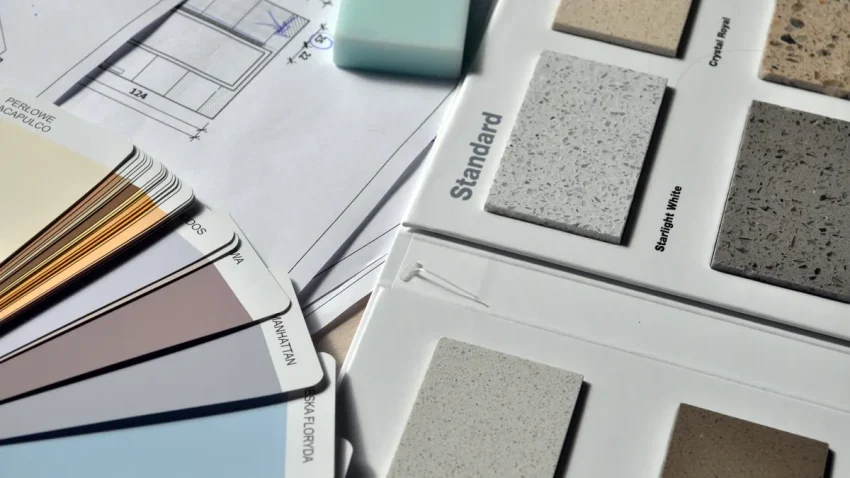
Paint is often the cheapest large-scale change in home renovation, which is why it should be high on the list. A low-contrast color scheme creates less visual clutter than a room with many competing tones. In plain terms, walls, trim, and big furniture pieces should relate to one another instead of fighting for attention. If the room is already small or dark, lighter wall colors usually help the space feel less boxed in, though a pale color alone will not fix bad lighting.
Sheen matters as much as color. Flat or matte finishes hide imperfections better, so they work well on ceilings and low-traffic walls. Eggshell and satin are easier to wipe down, which makes them useful in hallways, family rooms, and children’s rooms. Higher-sheen paint shows more surface flaws and can look busy if the wall is uneven. That trade-off is real: the more washable the finish, the less forgiving it can be.
Materials and finishes should also match the way you live. If you have pets, a durable rug or hard-wearing floor finish may matter more than a delicate decorative surface. If the house gets strong afternoon light, a color that looks calm at noon may look harsh at 5 p.m., so sample boards matter. Put samples on at least two walls and leave them there for a full day before choosing.
A practical rule: pick one main wall color, one trim color, and one accent material, then stop. Too many finishes create the exact restless feeling most people are trying to remove. This is one of the clearest places where “more” becomes “worse.”
Lighting upgrades that make rooms feel larger and easier to use
Better lighting makes a home feel larger, safer, and less tiring to use, especially when you layer overhead, task, and accent light instead of relying on a single ceiling fixture. For comfort, lighting is one of the highest-value home improvement ideas because it changes both mood and function at once.
Think in layers. A ceiling fixture gives general light, but it rarely solves reading, cooking, grooming, or late-night movement by itself. Add a floor lamp beside a sofa, a desk lamp where you read or work, and under-cabinet or shelf lighting where tasks happen. The room will feel more flexible immediately.
A good lighting plan also respects shadows. If a room feels gloomy, the issue may not be brightness alone; it may be that light is placed in the wrong part of the room. A lamp behind your chair helps a book, but not the person sitting in the chair. A light placed to the side often feels better than one directly above the eyes.
For most homes, warm-leaning bulbs between 2700K and 3000K feel less stark than cool daylight tones in living areas and bedrooms. That is not a rule for every house, but it is a useful starting point. In a kitchen or work area, a slightly cooler light can improve visibility. The point is not to chase a trend; it is to make the room usable at the hour you actually live in it.
One caution: lighting can expose problems rather than hide them. If the wall texture is rough or the room is full of mismatched finishes, brighter light may make those flaws more noticeable. That is where paint and simple decluttering help first. A room that is lit well but cluttered still feels busy.
Storage changes that reduce clutter without a full remodel
Storage changes reduce clutter by giving every item a fixed place, and that usually matters more to comfort than buying more decor. A home that has nowhere to put shoes, chargers, blankets, or mail feels stressed before anyone says a word. Good storage is home improvement with a low profile and a high payoff.
Start at the entry, the bedside, and the areas where small things accumulate. Hooks, a closed basket, a narrow console, a tray, or a wall shelf can solve the daily pile-up without major construction. In a bedroom, a 12-inch-deep shelf or a small drawer unit can calm a room faster than a new bed frame. In a living room, one lidded bin often beats five visible containers.
The best storage usually does two things at once: it hides clutter and it shortens cleanup time. Open shelves are attractive, but they require discipline. Closed storage is better for items that do not belong on display, such as cables, receipts, or cleaning cloths. If you want a calmer look, use fewer containers, not more labels.
Common mistake: buying storage before measuring the objects that need to fit. That leads to wasted vertical space, awkward gaps, or bins that are too shallow for the real mess. Measure the tallest and widest items first, then choose the container or cabinet. The result is cleaner and cheaper than forcing everything into a trendy organizer.
Storage also has a design side. A built-in look can be nice, but it is not always necessary. A well-placed bench with baskets can do the job of a custom unit if the room is small or the budget is tight. The win is not the cabinet itself; it is the calm created when the floor stops collecting stuff.
Flooring choices that feel better underfoot
Flooring affects comfort every time you stand up, walk barefoot, or clean the room, which is why it belongs near the top of any home renovation plan. The best flooring choice is not just about looks. It is about warmth, sound, maintenance, and how forgiving the surface feels after a long day.
Hard flooring looks clean and is often easier to maintain, but it can make a room echo and feel cold underfoot. Rugs soften that effect without forcing a full floor replacement. In bedrooms and living rooms, a large rug can change the feeling of the room almost as much as new flooring. It also helps define zones in open-plan spaces, which can make a large room feel less empty.
If a room feels cold, the issue may be material rather than temperature. Thick carpet, cork, or a layered rug setup will usually feel more comfortable than a bare tile or concrete floor. If the room gets heavy traffic, durability matters as much as softness. A beautiful floor that scuffs quickly becomes a constant irritation.
Do not treat flooring as a purely visual choice. Uneven transitions between rooms, squeaks, and cold spots all affect comfort. If the floor itself is in decent shape, a rug pad and a properly sized rug may be the smarter move than replacement. That is especially true in rental or short-horizon ownership situations, where a full replacement may not pay back the trouble.
This is one place where the wrong upgrade can create regret. A glossy finish can look polished in photos and feel unforgiving in real life. A softer, matte surface usually reads as calmer and more lived-in.
DIY versus hiring out: where the line usually falls
DIY makes sense for paint, simple storage assembly, and decor changes, while hiring out is usually wiser for electrical work, structural changes, and anything involving permits or major floor replacement. The right decision is not about pride; it is about risk, finish quality, and how much time the project will consume.
A good DIY candidate is a project with a clear beginning and end, standard materials, and a low chance of hidden damage. Painting a bedroom, replacing a light shade, or installing a freestanding shelf fits that description. A project that depends on hidden wiring, subfloor condition, or wall removal does not. If one step can uncover a bigger problem, the job can expand quickly.
Hiring out can also be the better value when the work must look precise. Flooring that needs clean transitions, trim that must line up, or built-ins that need exact measurements can be frustrating for a one-off project. A mistake there costs time and material, not just pride. It may be cheaper in the long run to let a skilled installer handle it once.
The trade-off is control. DIY gives flexibility and usually lower upfront cost, but it can stretch across weekends and leave a room half-finished. Hiring out costs more and requires scheduling, yet it can finish the job in a cleaner sequence. For comfort-focused home improvement, a mixed approach often works best: handle the surface-level changes yourself and reserve the complex work for trades with the right tools and training.
If the project touches electrical, plumbing, or anything structural, check local rules and hire appropriately qualified help. That is not a dramatic warning; it is a practical one. Some jobs are simply not worth turning into a personal experiment.
A simple comfort-first plan for the next 30 days
A comfort-first plan is to improve one room at a time in this order: light, storage, paint or finishes, then larger changes like flooring. That sequence keeps the house usable while the work is in progress and makes each step easier to judge. If the room feels better after step two, you may not need step four.
A workable 30-day plan looks like this:
- Week 1: pick one room, note what bothers you, and remove obvious clutter.
- Week 2: change lighting and add the missing lamp or bulb type.
- Week 3: repaint, touch up trim, or replace one worn finish.
- Week 4: add storage, a rug, or another piece that supports the room’s function.
This is the place to be honest about scope creep. A single room can absorb endless decisions if you let it. Keep the goal narrow: make the room easier to live in, not perfect for a magazine photo. That narrower goal is usually what people mean when they say they want a more comfortable home.
The biggest mistake in home improvement is treating every problem as a renovation problem. Some problems are solved with paint. Some are solved with light. Some need storage. A few need flooring or a contractor. Once the order is right, comfort stops feeling vague and starts looking like a set of choices.
What home improvements add the most comfort?
The most comfort usually comes from better lighting, better storage, fresher paint, and flooring or rugs that feel good underfoot. These changes affect daily use more than decorative upgrades do. If a room is still uncomfortable after those are fixed, the layout or the furniture scale may be the real issue.
How do I choose which home project to do first?
Choose the project that fixes the most annoying daily problem with the least disruption.
Drafted with AI; not yet reviewed by a person.