Last updated: October 31, 2026
Key Takeaways
- The safest contractor usually has clean paperwork, a real business presence, and experience that fits your project size.
- A legitimate contractor should be able to document who they are, what they can do, and how they will be paid.
- A good estimate should show what is included, what is excluded, and what could change the price.
- A home improvement contract should name the parties, define the work, set the price terms, and explain what happens if something changes.
How to choose home improvement contractors you can trust starts with a simple rule: look for a licensed contractor, clear communication, and a written contract before the first shovel goes in the ground. That is the filter that keeps most bad hires out before they cost you time, money, and a half-finished job.
What to look for before you invite a contractor to bid
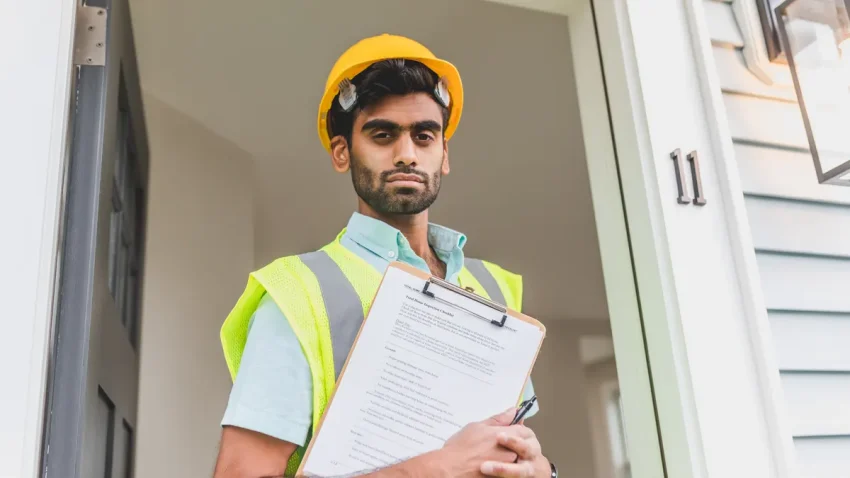
Therefore, the safest contractor is usually the one who can show clean paperwork, a real business presence, and work that matches your project size. Start with the basics: a licensed contractor where your state or city requires one, a physical business address, a current phone number, and a project history that looks like your job, not just any job.
A general contractor is useful when the work has moving parts: framing, plumbing, electrical, roofing, or multiple subcontractors. A single trade contractor makes more sense for one clear scope, such as replacing windows or redoing a roof. If someone says they can do “everything” but cannot explain who handles permits, inspections, and sequencing, that is a warning sign.
Use this first pass before you spend time on site visits or estimates:
- Confirm the license status in the state or local registry. You want the exact business name and license number to match, not just a similar name or a salesperson’s name. The result should be a current, active listing that matches the company that will sign your contract.
- Check whether the contractor carries the right insurance. Ask for a certificate of general liability and workers’ compensation if the job uses employees. The result you want is proof, not a verbal “yes.”
- Look for project photos and descriptions that fit your scope. A contractor who mostly posts bathroom tile work is not automatically the right choice for a structural porch rebuild. Expect evidence of similar square footage, materials, and complexity.
- Scan for a stable business footprint. A website, a mailing address, and a consistent business name across documents matter more than a polished logo. You are looking for continuity, not marketing.
- Notice how they communicate on the first call. If they dodge direct questions about permits, timeline, or who will be on site, that pattern usually continues after the deposit is paid.
Before you compare estimates, check the contractor against a public source such as your state licensing board, and, when relevant, the Federal Trade Commission’s home improvement guidance at https://consumer.ftc.gov/articles/what-home-improvement-contractors-should-know. This stage is about eliminating weak candidates, not picking a winner. The contractor who clears these basics is simply eligible to bid.
How do I know if a contractor is legitimate?
Because legitimacy shows up in paperwork first, a legitimate contractor can document who they are, what they are allowed to do, and how they will be paid. “Legitimate” is not about charm or a slick estimate. It is about a license, insurance, a traceable business, and a written agreement that matches the job.
The quickest check is the name match. The name on the estimate, the license, the insurance certificate, and the contract should line up closely. If the company name changes from one document to another, ask why. A DBA can be normal, but unexplained differences are not. Also ask who actually performs the work. A licensed contractor may use subcontractors, but the business should be able to name the trades and explain supervision.
References matter here, but only the right kind. A contractor who says they have references should be able to give you recent customers from the last 6 to 12 months, not only a handful of long-ago supporters. Ask for jobs similar to yours in size and type. A roof replacement reference does not tell you much about a two-story addition. If they hesitate to share references, or only offer first names, that is a bad sign.
Two outside sources are especially useful: your state licensing board and the Better Business Bureau if you want another record of complaints or company history. The licensing board tells you whether the license is active and whether there are disciplinary actions. The BBB is not a substitute for due diligence, but it can help spot repeated patterns in customer complaints.
According to the FTC, contractor selection should rely on more than price alone, so do not treat a low price as proof of honesty. A contractor can be licensed and still be careless with scope, change orders, or scheduling. The real test is whether the person answers direct questions in writing and keeps the answers consistent.
If the job involves permits, also ask who will pull them. A legitimate contractor does not need to “figure it out later.” They should know which work needs a permit before demolition starts, especially for structural, electrical, plumbing, or major exterior changes.
Compare written estimates line by line, not by vibe

Next, compare written estimates line by line, because a good estimate tells you exactly what is included, what is excluded, and what could change the price. A vague one invites surprise charges after work begins. The difference between a careful estimate and a sloppy one is often a few paragraphs, but those paragraphs decide whether you are protected.
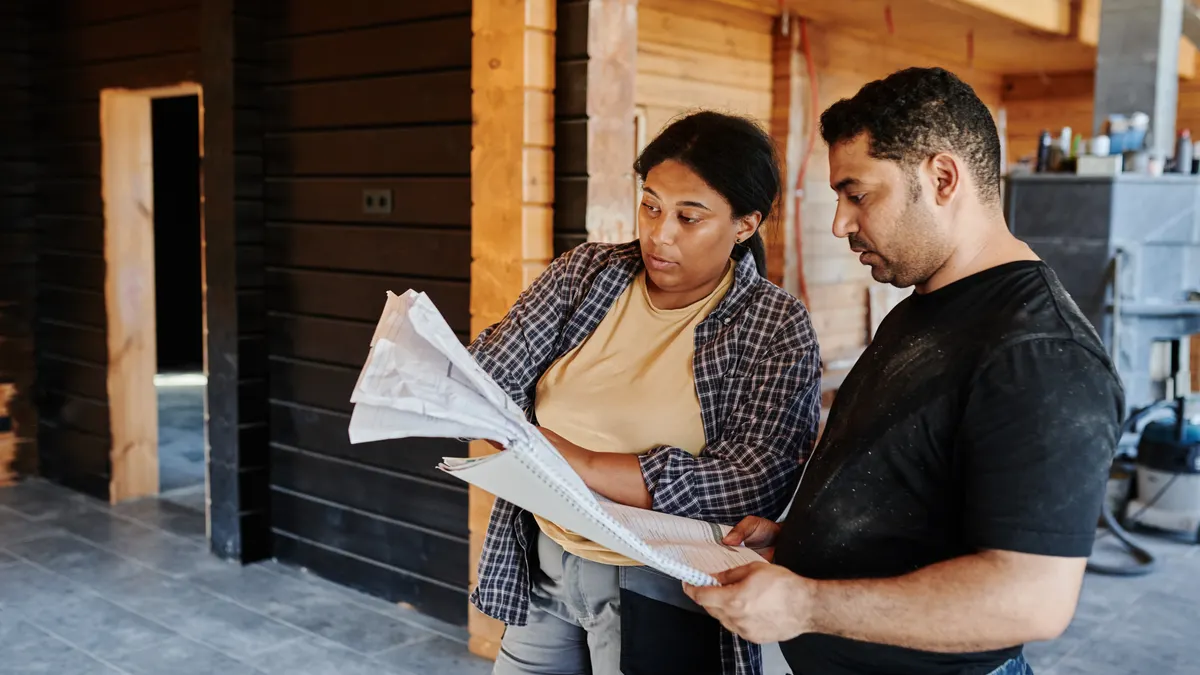
Ask for at least 3 written estimates for the same scope. Keep the scope consistent: same materials, same fixtures, same demolition, same cleanup. If one contractor prices “new kitchen cabinets” and another prices “install cabinets supplied by homeowner,” you are not comparing the same job. You are comparing two different contracts.
The estimate should spell out:
- labor and materials
- brand or grade of major materials
- demolition and disposal
- permit responsibility
- site protection and cleanup
- allowances for items not yet selected
- payment schedule
- estimated start window and completion window
A useful estimate often includes a line for allowances. That means a dollar amount set aside for an item not yet chosen, such as fixtures or tile. Allowances are normal, but they can hide a cheap number that rises fast once the real products are selected. If the allowance is too low for the finish level you want, the estimate is misleading even if it looks affordable.
Watch the exclusions too. A contractor might exclude painting, patching, engineering, or moving furniture. That is not automatically dishonest. The problem is when the estimate buries exclusions so the final bill balloons later. Ask for missing items in writing before you compare prices again.
A contractor who refuses to put an estimate in writing is not ready for your job. A one-page verbal quote is hard to enforce and easy to reinterpret. Written estimates are where good contractors separate themselves from salespeople.
For bigger projects, use the estimate to identify the decision points. If the roof deck is damaged, if the subfloor is rotten, or if wiring needs upgrading, what happens next? That question should be answered before work starts, not when a crew is already tearing into walls.
References are useful only if you ask the right questions
Meanwhile, the best references tell you how the contractor behaves when a job gets messy, not just whether the finished room looked nice. A polished portfolio can hide slow communication, change-order fights, or crews that leave dust behind for weeks.
When you call references, ask for projects completed within the last year if possible. Older references can still help, but recent work tells you more about current crews and current habits. If the contractor gives you only one or two names, that is thin. Three references is better. If they cannot supply at least a few recent jobs, move on.
Ask questions that expose the working relationship:
- Did the contractor start when promised?
- Were there surprises in the estimate?
- Did change orders come with clear prices before the work changed?
- Who showed up on site each day?
- Did the contractor keep the site safe and reasonably clean?
- Would you hire them again for a job of the same size?
Listen for the way the reference answers. A short, confident “yes” is useful. Long pauses, vague praise, or a story that never quite gets to the point may mean the experience was mixed. You are not looking for perfection. You are looking for predictable behavior.
It helps to ask one question that most people forget: “What would you do differently if you hired them again?” That answer can reveal missed communication, a rushed schedule, or a scope issue that never showed up in the final photos.
A common mistake is to rely on online reviews alone. Reviews can highlight patterns, but they do not tell you whether the same crew will be on your project. A contractor with strong reviews can still be wrong for a complicated job if they lack the right trade experience. References and licensing checks are more concrete than star ratings.
According to the FTC, if a contractor refuses reference calls, treats the request as insulting, or only offers handpicked testimonials without contact information, that is enough reason to walk away. Consult your state licensing board or a local consumer-protection office if you are unsure whether the refusal is a red flag in your area.
What should be in a home improvement contract?
So, a home improvement contract should name the parties, define the work, lock down the price terms, and explain what happens if something changes. If it does not do those things, it is too thin for a real project.
The contract should include the exact business name, the work address, the project description, the materials or specifications, the start date or window, the estimated completion date, and the total price or pricing method. It should also identify who is responsible for permits, cleanup, waste removal, and inspections. If subcontractors are involved, the contract should say that the licensed contractor remains responsible for the job.
One useful rule: if a detail would matter in a dispute, it belongs in the contract. That includes brand names, model numbers, finish levels, color selections, and what happens if hidden damage appears after demolition. For example, a clause about rotten framing or outdated wiring can prevent an argument over who pays when the walls are opened.
The payment schedule matters just as much as the scope. A sound contract ties payments to milestones, not to vague promises. For a project lasting several weeks, that might mean a deposit, one or more progress payments, and a final payment after completion and any punch-list items are done. Large upfront payments are risky because they shift too much burden onto the homeowner before work is visible. If a contractor asks for most of the money before materials arrive, pause and question the structure.
A contract should also explain change orders. No change order language means every small adjustment can turn into a fight. The better version says changes must be written, priced, and approved before the work changes. That protects both sides.
Read the lien waiver language too, if it appears. In some places, contractors or subcontractors can file a lien if they are not paid. A lawyer or local building office can help explain how lien rules work in your state if the project is large enough to make that risk real.
Do not sign anything that leaves blank spaces for price, materials, or completion date. Blanks get filled in later, and later is usually after the conversation that should have settled them.
Payment schedules that protect you without slowing the job
Because the money moves before the job is finished, a fair payment schedule pays for work as it is completed, not all at once at the start. That structure reduces your exposure if the contractor disappears, stalls, or underperforms.
The safest rhythm is usually a small deposit, progress payments tied to visible milestones, and a final holdback until the punch list is done. The exact percentages vary by job size and local practice, but the principle does not: money should follow progress. A deposit that covers a reasonable scheduling commitment is one thing; a huge upfront payment is another.
A contractor who asks for cash only is a problem. A contractor who wants the full amount before permitting or demolition is a bigger problem. If the explanation is “that’s how everyone does it,” ask for a written milestone plan instead. The plan should show what is completed before each payment is due. That makes the job measurable.
Use these payment questions before signing:
- What exactly triggers each payment? The trigger should be a visible event, such as foundation pour, rough-in completion, or cabinet installation.
- What happens if the project stops midway? You want a clear answer on unused deposit funds, unfinished work, and materials already purchased.
- Who buys long-lead materials? If custom windows or specialty tile are involved, the contract should say when the order is placed and who owns the materials once paid for.
- Is there a final walkthrough before final payment? The answer should be yes, with a punch list and a short window for corrections.
One honest trade-off: paying by milestone can slow down a contractor who needs to front materials or crew costs. That is real. But the alternative is giving up control of the job too early. If a contractor cannot bridge routine project costs until work starts, that may say more about cash flow than reliability.
For the reader comparing contractors, the best choice is not always the cheapest estimate. It is the contractor who accepts a written scope, clear milestones, and fair oversight without drama.
Red flags that cost more than they save
Therefore, the most expensive contractor is often the one who looks affordable on day one and expensive by week three. The warning signs are usually visible before anyone swings a hammer.
Walk away if the contractor:
- will not provide a license number where one is required
- cannot supply written estimates
- refuses references from recent jobs
- pushes you to sign immediately with a discount “today only”
- asks for a large cash payment upfront
- avoids permits on work that clearly needs them
- will not say who is responsible for cleanup or inspections
- changes the scope verbally but not on paper
Each of these costs you something different. No license can mean no easy recourse. No written estimate can mean scope drift. No references can mean you are the test case. Pressure tactics often mean the contractor wants your signature before you have time to compare bids. A weak payment schedule shifts risk onto you before the job proves itself.
The fix is simple, though not always easy: slow the process down. Ask for missing documents in writing, compare the same scope across bidders, and do not accept “we’ll work it out later” as an answer. Later is how disputes start.
This is not the right process for a tiny, low-risk task where the contractor is replacing one faucet and the price is trivial. It is for projects where the work touches structure, permits, plumbing, electrical, roofing, or major finishes. The more a job can hide behind walls, the more careful the screening needs to be.
A trusted contractor does not need to win you over with pressure. They win by showing you exactly what they will do, when they will do it, and how the paperwork protects both sides. That is the standard worth keeping.
For broader planning before you get to the bidding stage, the hub on home improvement ideas can help frame the project you want without forcing you into a contractor decision too early.
What questions should i ask a contractor?
Once you have the estimate and schedule in hand, ask about license status, insurance, permits, similar past jobs, who will be on site, how change orders work, and what is excluded from the estimate. Those questions reveal whether the contractor is organized or guessing.
Drafted with AI; not yet reviewed by a person.